Altitude Effects on Market Shifts During High-Elevation Athletic Events Across Global Platforms
Gisela Lange · Sep 2, 2026
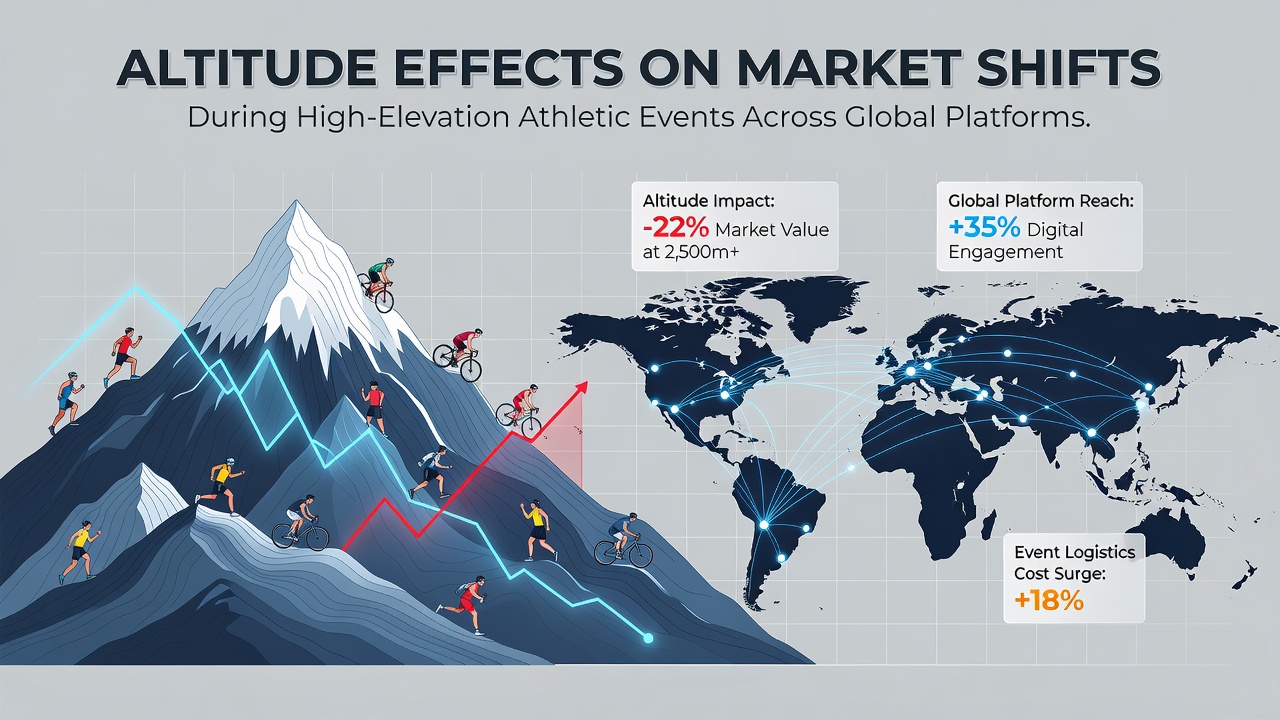
Altitude Effects on Market Shifts During High-Elevation Athletic Events Across Global Platforms
High-elevation venues create distinct performance variables that influence athletic outcomes and prompt adjustments in betting lines on international platforms, and these shifts occur because reduced oxygen availability alters endurance capacity, ball trajectories in team sports, and recovery rates during events held above 1,500 meters. Observers note that markets for soccer matches in cities such as Mexico City or La Paz frequently see rapid recalibrations of totals and handicap lines once lineups are confirmed, since visiting squads accustomed to sea-level conditions exhibit measurable declines in sprint volume and passing accuracy according to performance tracking data.
Physiological Responses and Performance Metrics
Researchers have documented that hemoglobin saturation drops noticeably at altitudes exceeding 2,000 meters, which leads to earlier onset of fatigue in endurance-based activities and produces slower race times in marathons or cycling stages conducted in mountainous regions. Data from events in Denver and Quito reveal that teams traveling from lower elevations cover approximately 8 to 12 percent less high-intensity distance per match, a pattern that directly feeds into over-under markets as bookmakers revise expected goal counts downward. Those who monitor live betting feeds observe that these physiological realities generate early line movement when pre-match weather and venue details are released, because sharp bettors incorporate historical altitude-adjusted statistics into their models well before kickoff.
Global betting platforms adjust odds across multiple time zones simultaneously, and this coordination becomes especially visible during South American qualifiers or North American league fixtures where elevation differences exceed 1,000 meters between home and away sides. Figures compiled by sports analytics groups indicate that draw probabilities increase by several percentage points in such settings, prompting corresponding shifts in both fixed-odds and spread markets on European and Asian exchanges. What's interesting is how these adjustments propagate through in-play interfaces, where live odds on total corners or cards respond within seconds to the first visible signs of labored breathing among visiting players.
Market Dynamics on International Platforms
Platforms operating across continents compile altitude-specific datasets that include historical scoring rates, player acclimatization records, and even wind patterns at stadiums located on high plateaus, allowing operators to set initial lines that already embed these variables. When an event approaches, such as certain September 2026 World Cup qualifying matches scheduled for Andean venues, trading volumes on prop markets like first-half totals accelerate as participants react to updated team news confirming travel schedules and rest periods. Studies from teh Australian Institute of Sport have shown that acclimatization windows of at least 10 days mitigate some performance deficits, yet many squads arrive with shorter preparation time, a factor that continues to influence market depth and volatility right up to match start.
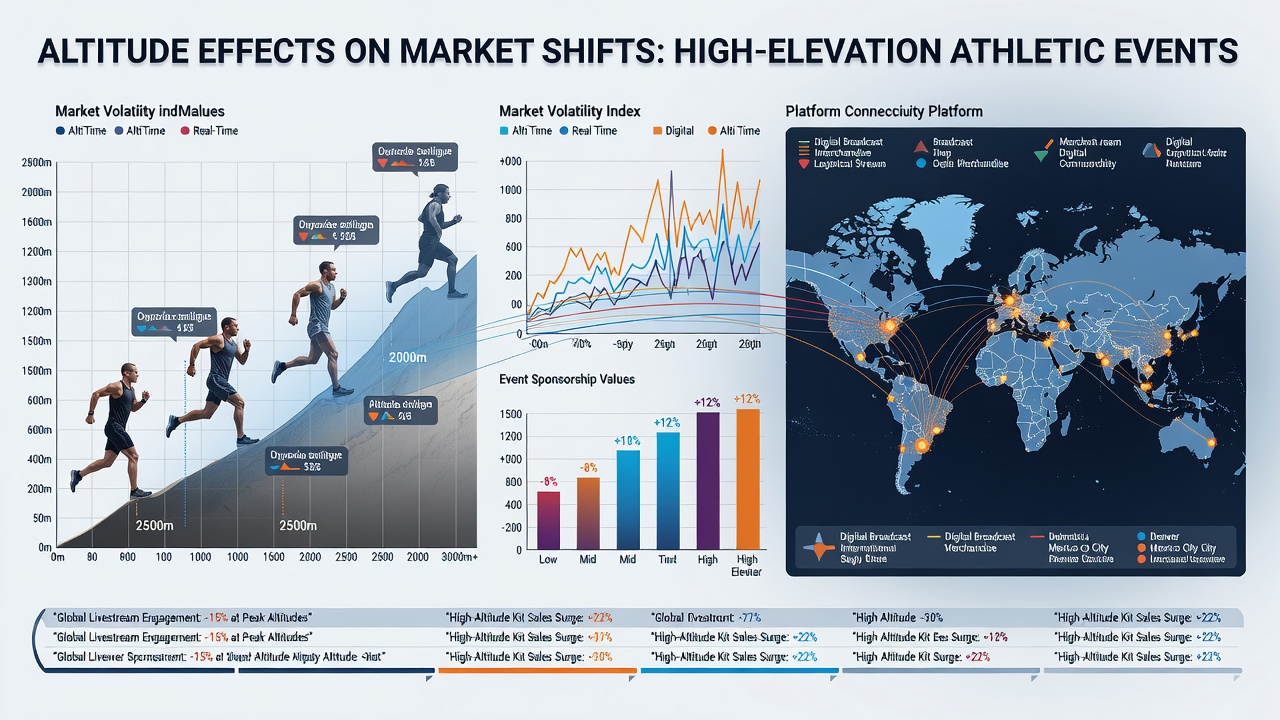
One case involved a Copa Libertadores tie played at roughly 3,600 meters where early goal markets shifted more than 0.5 goals within the first hour of trading after lineups confirmed multiple sea-level starters for the visiting side, and similar patterns repeat across other competitions held in elevated locations. Industry reports from Canadian research centers highlight that betting turnover on these fixtures often exceeds average volumes by 15 to 25 percent because the uncertainty surrounding adaptation creates perceived value for informed participants. Yet the same reports note that liquidity can thin quickly once the opening exchanges reveal whether the home side exploits its environmental advantage immediately.
Regional Variations and Data Integration
European operators integrate altitude coefficients into their algorithms alongside standard form indicators, whereas platforms based in Asia frequently emphasize historical head-to-head results at specific venues when constructing accumulators that include high-elevation legs. This geographic divergence in modeling produces slight price differences across exchanges, and arbitrage opportunities occasionally arise when one market lags in reflecting updated travel or weather information. Those who track cross-platform movements report that such discrepancies tend to resolve within minutes once consistent performance signals emerge on the field.
Additional influences include changes in equipment behavior, such as altered football flight paths or reduced tennis ball bounce at altitude, which affect specialized prop markets like total aces or long-range goals. Research published through North American university programs demonstrates that these equipment effects compound with physiological strain, further widening the range of possible outcomes and sustaining interest in live betting throughout each contest. Observers note that platforms respond by widening spreads temporarily during periods of elevated uncertainty, then tightening them as data accumulates from the opening quarter or half.
Conclusion
Altitude continues to shape both athletic results and corresponding market movements on worldwide betting platforms through measurable impacts on player output and strategic preparation, and ongoing collection of venue-specific data supports increasingly precise line setting as events like the September 2026 qualifiers approach. Integration of physiological research with real-time performance feeds allows operators to maintain balanced books even when environmental factors introduce additional variance, while participants who incorporate these variables gain clearer frameworks for evaluating odds across multiple regions.